


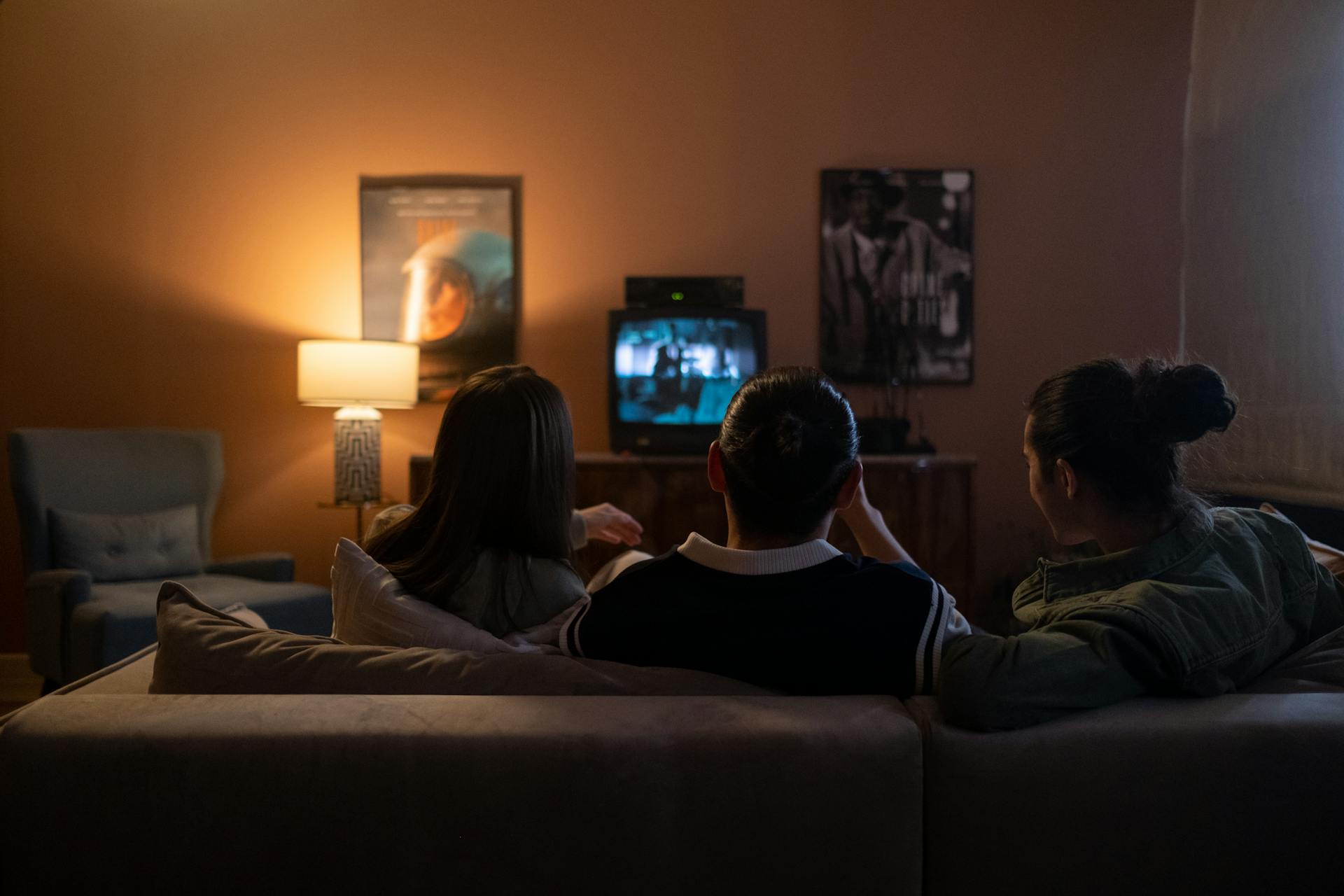
Watching horror movies at home sounds harmless at first. You’ve got snacks, a couch, and full control of the remote. But then five minutes in, a random floor creak makes you question your entire life. Suddenly, the living room feels less like comfort and more like a potential crime scene. Cinemas spread fear across a crowd. At home, it sits right next to you on the couch like an uninvited guest. That difference changes everything about how your brain reacts to scares.
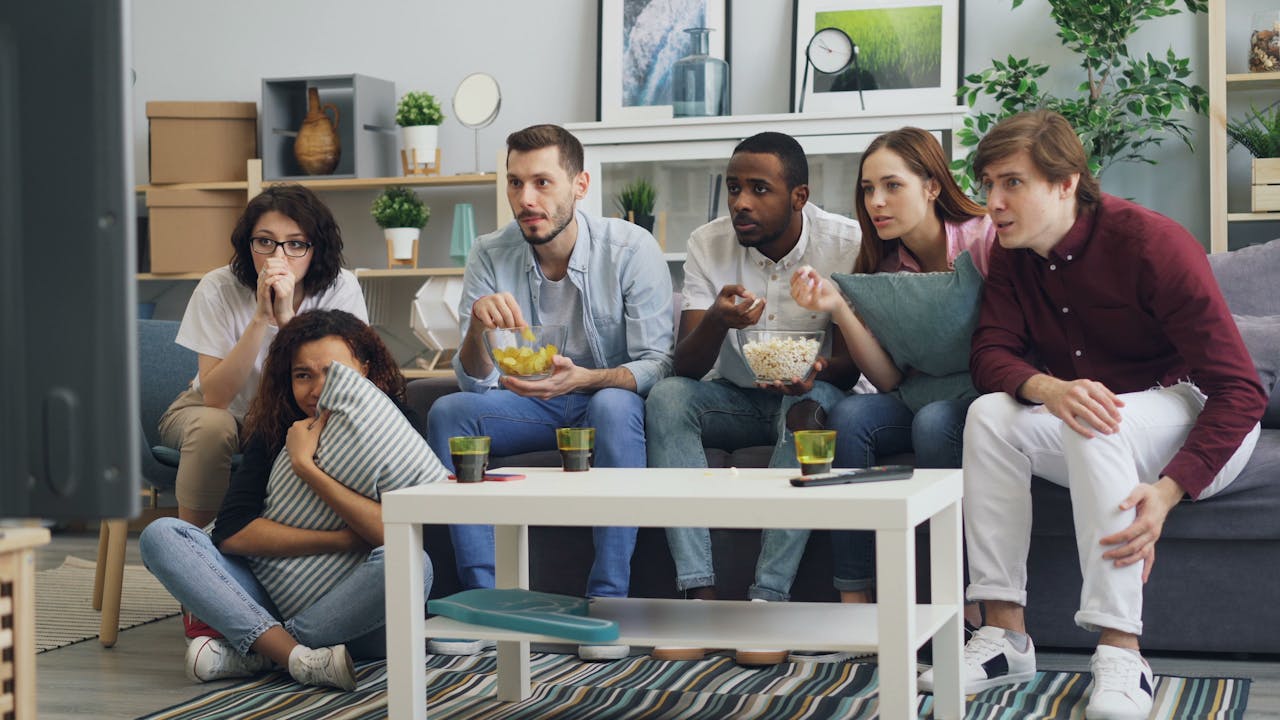
Silence Makes Everything Louder
At home, there is no crowd noise to dilute tension. No popcorn crunch symphony. No stranger laughing awkwardly during a scary scene. Just you and the film, locked in like a staring contest you did not agree to. That silence amplifies every sound in the movie. A door creak becomes a warning. A whisper feels like it came from behind you. Even the fridge humming suddenly feels suspicious. Your brain fills in the gaps. That is where things get wild. Without outside distractions, your imagination starts working overtime, turning small details into full-blown threats.
Your Environment Becomes Part of the Movie
This is where things get sneaky. At home, your surroundings blend into the film experience. That dark hallway suddenly looks longer. That slightly open door suddenly feels intentional. Horror films are designed with atmosphere, but your home adds extra layers. The movie shows a shadow. Your room provides ten more. It is like the story leaks out of the screen and starts borrowing furniture from your life. Even normal household objects can feel suspicious. A jacket on a chair? Could be a shape. A window reflection? Could be something else. Your brain starts improvising horror scenes without asking for permission.
No Escape Button Like in Theaters
In a cinema, you are physically stuck. But mentally, you know everyone else is there. That shared experience creates a strange comfort, like you are all scared together in one controlled space. At home, the opposite happens. You can pause. You can rewind. You can stop the movie anytime. But that control actually makes it worse. Why? Because stopping means admitting fear. So instead, many people keep watching while slowly regretting every life choice that led them to a dark room at 1 a.m. alone.
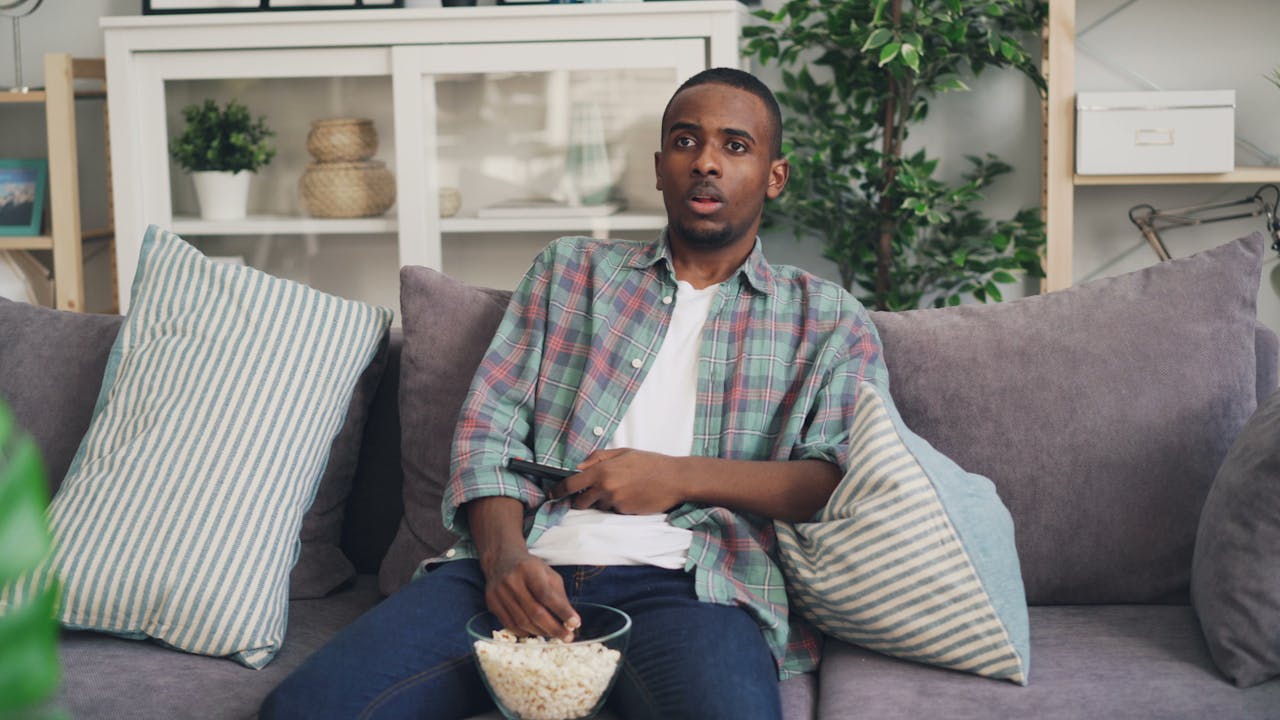
Distractions Do Not Save You Here
You would think the home has more distractions. Phone, snacks, maybe a pet walking around. But during horror scenes, your brain filters them out automatically. A notification buzz suddenly feels irrelevant. The dog barking outside feels connected to the movie. Even scrolling on your phone does not fully break the tension. At a theater, distraction is shared and constant. At home, it is inconsistent. That inconsistency keeps your brain locked into alert mode, waiting for the next scare like it is guarding treasure.
Horror movies hit harder at home because your brain takes over more of the experience. In a theater, fear is shared. At home, it is personal. And that difference turns a simple movie night into something that has you checking behind doors like you are in a low-budget thriller.